Today, we are seeing an increasing number of women heading some of the most important tech companies in the world.
Technology is a constantly evolving field. With social advancements, the tech industry must confront new realities within the current social context. As our society moves closer to gender equality, women are working to build a stronger presence in the traditionally male-dominated tech industry.
Today, we are seeing an increasing number of women heading some of the most important tech companies in the world. Women are leading technological innovation the world over and working tirelessly to encourage more women to pursue a career in tech.
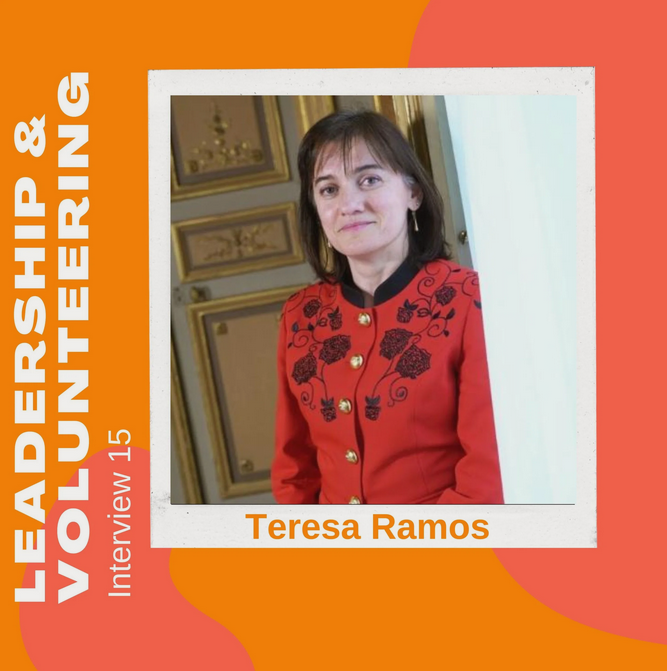
We had the privilege to sit down with Teresa Ramos, Director of the Bachelor’s Degree in Information Systems Management at IEU, to talk about women in the tech industry.

What are some of the biggest challenges that women who want to venture in the world of technology face today?
One of the biggest challenges that women who pursue careers in tech face is that there are few women currently in the field. This reality unfortunately prevents more women from joining. I really think this is a consequence of a closed traditional mindset in which women feel excluded from the industry.
Another important challenge involves the lack of role models. Even though women have made some incredible achievements in tech, they are constantly obscured by men. There are many women who have recently achieved great positions in this industry, including Sheryl Sandberg, COO at Facebook, or Marisa Mayer, CEO at Yahoo. I truly believe that we will see more female tech leaders in the years to come.
Finally, we are still seeing more men studying STEM than women. This topic has been discussed extensively as of late. It’s a common misconception that as women, we don’t have the “tech capacity” that men do. Of course, I find this to be completely absurd. Women have an amazing capacity for abstract thinking, strong communication skills, and the ability to effectively verbalize abstract concepts.
Technology is a male-dominated field. What steps should be taken to attract more women to tech?
I think these efforts have to be from the ground up. We can’t get more women in the tech industry if we don’t have women studying STEM. We can’t get more women in STEM if we’re not working to promote science and technology in the early stages of education. It is a work in progress that needs to start in primary or even pre-school.
As more women join STEM to pursue careers in tech, this field will start to become more attractive to women. Today, there are more women in this field than when I joined it a couple of decades ago, and I think that informatics have had a lot to do with that.
Informatics and new tech are now more accessible than ever. This has helped women get a taste of new areas of knowledge and tech. As women have more interaction with technology they cultivate a stronger interest in the area, become more curious and invested in pursuing the topic academically and professionally.
It’s also crucial that women help other women pursue technology careers. Role models play a vital part of the journey.
We have already seen women doing great things in tech in recent years, and I am confident that this presence will continue to grow and reach total 50/50 equality in the field in the coming decades.

Who do you think should pursue studies in technology and innovation management?
People who pursue studies and careers in these fields are curious individuals who are great problem-solvers and that constantly seek new ways to bring innovative solutions. They are always curious about what they can do to change the world, and how they can apply technology in new ways to solve either new problems or old problems in different and innovative ways.
How is technology affecting businesses?
Technology is affecting everything, not just business. Today you can find new technologies everywhere, they are all around us. We need innovation processes to bring technology to life and effectively merge it with people’s daily activities and routines.
Technology impacts businesses in diverse ways by improving operations process, enabling data analysis to optimize business functions, increasing data processing capacity to improve strategies, and facilitating communication to aid in internationalization.
With that said, I don’t like to think of technology as a force to improve only businesses. Technology is a force that can make our daily lives better.
Can you describe a technologist?
A technologist is someone who is very curious about learning. The typical technologist has to be a life-long learner. They are people who are prepared and willing to keep reading, learning, and researching how to improve processes throughout their careers.
It definitely has to be someone who likes the idea of a hands-on profession, since technology is about experimenting, building, and creating. In essence, a technologist wants to make their mark on the world.

What would be your message to women trying to get into technology?
Women will play a crucial role in the future of technology. We have considered this in the design and development of our program, and we are precisely trying to create an environment at IE University where women and men can both work together to drive innovation. So don’t think twice about it, join this wonderful field, and play a part in building the digital future!
Feel free to share your thoughts and opinions with us. If you would like to learn more about the Bachelor of Information Systems Management, please don’t hesitate to get in touch at university@ie.edu.
Aristóteles recordaba que la virtud no es un don innato, sino un hábito: nos volvemos justos practicando la justicia y valientes practicando la valentía. Lo mismo ocurre con el diálogo: nos hemos deshabituado y, en su lugar, hemos adquirido la mala costumbre de embestir. La escucha se ha vuelto un ejercicio casi exótico y la crispación un reflejo automático.

WOMEN IN TECH WEEK FESTIVAL
Women in Tech Week Festival is the flagship festive event of Women in Tech Africa. It is an annual week-long event for women across the globe, celebrated simultaneously both physically and virtually to celebrate success and impact through leadership training, peer learning and workshops.
The Women in Tech Week festival sets out to;
- Support female leadership in the technological field
- Create a pipeline for girls to choose technology
- Encourage female entrepreneurship.
The festive season brings together women and girls in the fields of technology and entrepreneurship and provides a platform to interact, network and share ideas on themes bordering on Technology, Entrepreneurship, Work-life balance, and Leadership. It also assembles well accomplished and renowned speakers in the Technological space, Entrepreneurs, Government officials, Members of the Diplomatic corps and Non-Governmental Agencies.
In September 2016, marking its maiden event, Women in Tech Week attracted a large number of audience of over 10,000 participants.
Last year saw a growth in participation as the event reached over 12,000 participants both physically and virtually from countries like;
- Mauritius,
- Tanzania,
- Ghana
- Congo
- Nigeria (Lagos and Port Harcourt)
- The Gambia
- Kenya
- Malawi
- Ethiopia
- Belgium
- Cape Verde
- Mauritius
- South Africa
- Zimbabwe
- Ireland
- France
- Germany
This year’s event with a target of 20,000 participants, is from the 18th -22nd September 2018 and promises to be more educative and exciting.
Themes slated for the period include;
- Day 1 – Digital Africa Day
- DAY 2 – Tech and X Day (Tech and Agric, Tech and Health, Tech and Commerce, Tech and Architecture etc.)
- DAY 3 – Teach a Skill Day
- DAY 4 – Entrepreneurial Growth and Scale Day
- DAY 5 – Career Leadership
Topics to be discussed under these themes will include, Digital Marketplaces,
Virtual Reality, Machine Learning, Financing your start-up, Crowdfunding, Skill building as a business, Strategies to survive in a male-driven culture and many more.
This year will also see new additions such as;
- Uganda
- Sierra Leone
- Somaliland
- Mozambique
- Morocco
- Botswana
- Rwanda
- Zambia

Aunque los números no me den la razón, siempre he sido optimista en relación al número de mujeres en STEM (acrónimo inglés que aglutina ciencias, tecnología, ingeniería y matemáticas). Las estadísticas indican que este alcanzó un máximo en los 90 (1991, según algunas fuentes) y no ha conseguido remontar desde entonces.
A pesar de las estadísticas, siempre he creído que ese número iba a aumentar rápidamente y que, en un plazo de tiempo corto, las mujeres estaríamos en igualdad con los hombres. Para sustentarlo me basaba en el hecho de que la ciencia y la tecnología están cada vez más presentes en más áreas de nuestras vidas.
Las mujeres estamos expuestas a la ciencia y la tecnología tanto como los hombres y, por tanto, cada vez nos resulta un campo más familiar. Ya no se trata de algo con lo que no tenemos contacto, sino de algo cercano y diario, que nos ayuda y facilita las cosas. No es un mundo ajeno, sino uno en el que estamos inmersas día a día. Ya empieza a haber muchos referentes femeninos en el ámbito de las ciencias.
Marie Curie y Ada Lovelace ya no son las únicas grandes figuras en este campo, y las niñas y jóvenes ya pueden aspirar a seguir los pasos de otras notables y conocidas científicas y tecnólogas. Mi creencia era que, aunque muy despacio, el número de mujeres en ciencia y tecnología estaba aumentando en una progresión lenta pero segura y que hombres y mujeres iban a estar, cada vez más, en igualdad numérica en las aulas, en los laboratorios, en las oficinas, en los congresos.
Las consecuencias del #MeToo
Sin embargo, hace poco empecé a oír que las mujeres en Wall Street ya no eran invitadas a viajes de negocios. No eran convocadas a reuniones. No se requería su presencia en cenas y comidas de trabajo. Era la devastadora consecuencia de #MeToo. La incorporación de la mujer no solo se había parado sino que había retrocedido y lo que, en principio, fue un movimiento que quería ayudarnos y empoderarnos, terminó siendo contraproducente y contribuyendo a que nuestra situación empeorara.
Parece que, cuando se trata de progresar en la incorporación de la mujer a ciertos ámbitos laborales y económicos, cualquier iniciativa termina explotándonos entre las manos y dejándonos peor que antes.
¿Le gusta lo que lee? ¿Quiere más?
Frente a las inesperadas consecuencias de #MeToo en Wall Street, he empezado a preguntarme cómo este fenómeno pueden extenderse al campo de la ciencia. ¿Van nuestros colegas científicos y tecnólogos también a dejar de viajar, reunirse y trabajar con nosotras?
La pregunta sería graciosa, incluso ridícula, si las consecuencias no fueran tan importantes. ¿Podemos seguir permitiendo el lujo de perder o infrautilizar la mitad del talento disponible (el femenino)?
Dado que las iniciativas empleadas hasta ahora no parecen funcionar (como muestran las estadísticas) y que nuevas iniciativas como #MeToo también resultan fallidas, ¿qué se necesita para, de verdad y de manera sostenible, incrementar el número de mujeres de manera continuada?
Necesitamos empezar una nueva reflexión desde puntos de vista nuevos para poder tomar acciones distintas y tener cuidado con posibles alternativas que, aunque a primera vista resulten muy valientes y atractivas, pueden tener un efecto totalmente contrario al deseado inicialmente. Como sociedad, ¿qué vamos a hacer?

Necesita una panadería hacer uso del ‘big data’ para mejorar sus beneficios y ser más eficiente en el día a día? La pregunta tiene trampa. Es más que aconsejado el uso de las tecnologías actuales, pero es más importante saber para qué se van a utilizar estas tecnologías y qué pretendemos conseguir con ellas.
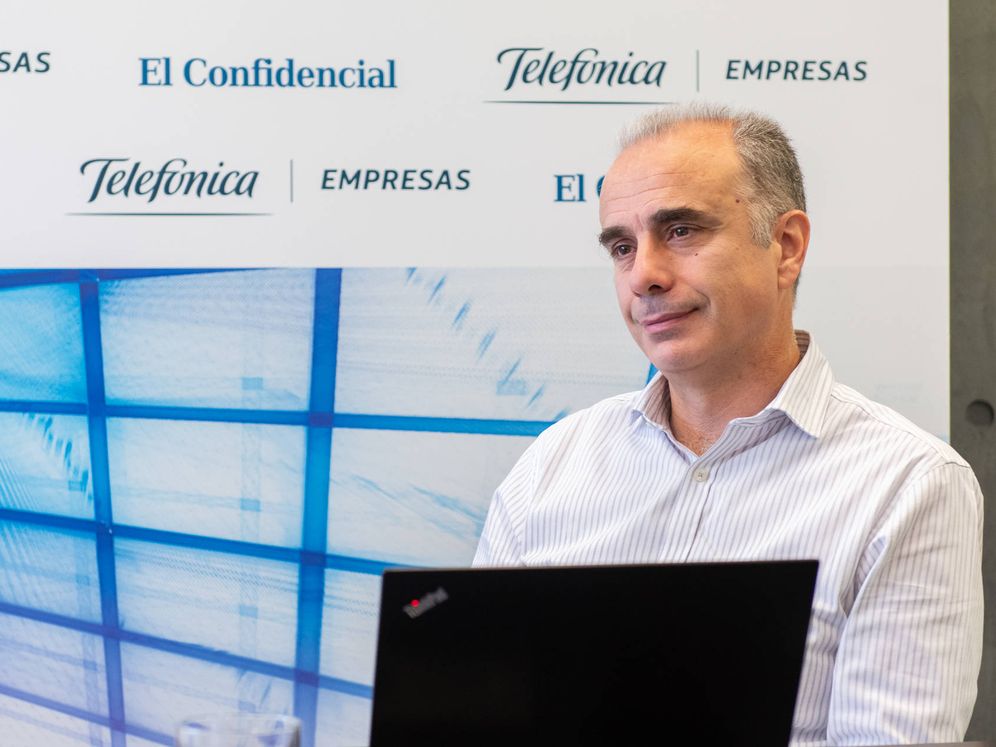
Este ejemplo, aplicable a cualquier pequeña y mediana empresa española, fue uno de los que centraron la mesa redonda organizada por El Confidencial y Telefónica Empresas bajo el título ‘Transformación digital: el primer paso para mejorar la productividad de las empresas’. Un encuentro en el que se repasaron las claves para abrazar una transformación digital que tiene más de proceso pedagógico que de revolución tecnológica.
De vuelta al ejemplo de la panadería, fue Jaime Fernández, responsable de infraestructuras de Acens de Telefónica Empresas, quien ilustró un claro caso en el que un pequeño negocio puede beneficiarse de manera ostensible de la aplicación de la tecnología: “Cuando cierra, le sobran barras de pan. He visto que utiliza un »tpv’ que tiene una herramienta gratuita para analizar datos de cómo vende, a qué segmentos de edad, en qué franjas horarias… y no solo de su empresa sino de las que tienes a su alrededor”. Unos datos que, en palabras de Fernández, son vitales para que el comercio comprenda cuáles son sus fortalezas, sus debilidades y las de sus rivales y actúe en consecuencia.
:format(jpg)/f.elconfidencial.com%2Foriginal%2Fc6c%2Fa07%2F5b8%2Fc6ca075b8e80f15f6aa92cca9caffd00.jpg)
Esos datos, bien utilizados, son clave -en palabras de Fernández- para tomar decisiones que le permitan “comprender por qué un día le sobra pan y otros días se queda sin barras antes de cerrar”. El problema, como señalaba el responsable de Acens, es que “alguien se lo tiene que explicar, ver qué funciona y qué no”.
La transformación digital debe fundamentarse en cuatro áreas, en palabras de Ana Herrero, responsable de oferta de voz y datos, SMB market de Telefónica Empresas: “Está transformando todas las patas de la empresa, comenzando por el empleado; debe mejorar los procesos de la empresa para que sean flexibles, ágiles y más eficientes; debe obligar a buscar el punto diferencial frente a la competencia para diferenciarse y sienta las bases para que los negocios estén siempre disponibles, ya sea de manera online u offline”.
:format(jpg)/f.elconfidencial.com%2Foriginal%2F40f%2Ff25%2Fb91%2F40ff25b9154c0ad23f4096535d994ca1.jpg)
La tecnología puede parecer el motor del cambio para las empresas pero algunos expertos consideran que lo que realmente se impulsa en esta transformación es una nueva cultura empresarial. Una revolución que es más pedagógica que tecnológica. “Hablamos de que un 80% del proceso es transformación y un 20% es digital”, explicaba Teresa Ramos, directora de information systems management de IE University. Pero lo importante, remarcaba Ramos, “es el factor humano y cómo se adapta la empresa al entorno para beneficiarse de él”.
Otro ejemplo de cómo una compañía puede beneficiarse de la transformación digital la expuso Antonio Sala, administrador del sistema en Asociación de Delegados Comerciales de Selae. Hace tres años, la administración española de lotería pasó por una crisis que le obligó a replantearse sus procesos productivos. “No teníamos nada en la nube y la información de cada delegación estaba fragmentada en sus propios servidores”, señala Sala. ¿Cuál fue el cambio? Un plan “a dos años” en el que se han pasado las aplicaciones a la nube, se ha creado una red VPN y se ha adoptado Office 365 como operador de ofimática para todas las delegaciones.
:format(jpg)/f.elconfidencial.com%2Foriginal%2F799%2F692%2F281%2F7996922817d7392756864b793668d664.jpg)
Todas esas ventajas necesitan de un punto pedagógico, o comunicativo, que a las pequeñas y medianas empresas les cuesta ver, según la opinión de Andrés Martín, CEO de Freematica. Para Martín, es importante hacer hincapié en las ventajas que van a surgir de la implementación de estas transformaciones “diciéndoles que va a mejorar su rentabilidad y productividad”. Subido “ese primer escalón”, el primero de muchos, Martín recuerda que ventajas como el teletrabajo aportan un beneficio doble: “económico para la empresa, que tiene menos gastos, y social para las personas”.
Wifi para conocer mejor a tu cliente
De la misma manera que una panadería se puede beneficiar del uso de ‘big data’, un negocio cualquiera en la calle puede obtener beneficios inesperados por utilizar un punto de conexión wifi en su establecimiento. “Gracias a la geolocalización, que se beneficia si tienes wifi en tu local, puedes saber cuántas personas pasan por tu escaparate, cuántas no se paran, conocer mejor qué gente entra, a qué hora o por qué no se queda. Esa información está a disposición del cliente”, explicaba Herrero.
Y esa información acostumbra a estar ahí para utilizarse con un fin: vender más y gastar menos. Un guante que recogió Ramos para recordar que los datos, por sí mismos, no son la solución: “¿Para qué quieres el ‘big data’? Necesitas transformar los datos y la información en conocimiento y en acciones que beneficien a tu negocio”.
:format(jpg)/f.elconfidencial.com%2Foriginal%2F7fe%2F9da%2Fc2c%2F7fe9dac2c9c348e049ba178da0d71c45.jpg)
Pedagogía, conocimiento del entorno, disponibilidad total con los clientes… Todos estos puntos van enfocados al sector de los negocios pero, como Jaime Fernández expuso a modo de conclusión, también se pueden llevar a otros ámbitos, como la salud: “Tenemos un acuerdo con Quirónsalud en el que hemos creado una base de datos de millones de imágenes, radiografías, ecografías… ¿Qué hacemos con esos datos? El hospital no tiene ordenadores para analizarlos, pero una empresa con la capacidad de cómputo adecuada puede hacerlo para que, junto al uso de inteligencia artificial, ese análisis de imágenes pueda crear patrones que permitan dar al paciente diagnósticos más detallados”.
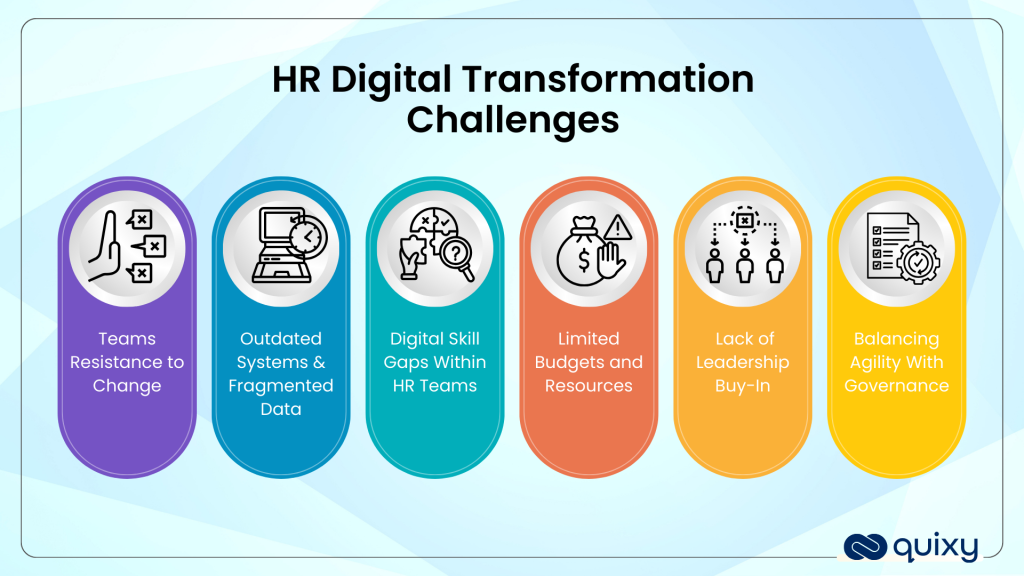
Digital transformation is creating a generational divide among employees: “digital natives” who grew up in a connected world, versus “digital immigrants” who have to adapt to a changing workplace.
Among the “digital immigrants” are many leaders and top managers. HR needs to bridge this digital divide in a way that enables all the people in an organisation to excel and contribute.
In a MERIT masterclass in Amsterdam on 16 October 2019, Teresa Ramos Martín, director of the Technology and Innovation programme at IE University (Spain), revealed how HR can drive transformation without exacerbating thе digital divide. The exclusive C-level event brought together HR and L&D leaders from companies such as HPE and Signify on a beautiful morning in Amsterdam.
“The biggest challenge is with our top people”, Ramos said. She highlighted the ineffective talent management strategies that are currently being used for digital immigrants. The masterclass demonstrated that the problem of digital transformation and top management has a human, rather than a technological solution: HR executives need to take the lead and facilitate some difficult conversations.
How not to drive digital transformation
Ramos shared that she, herself, is a digital immigrant: she remembers experiencing the internet for the first time when working in British Telecom’s research labs. Ramos retired early from her career in telecommunications, as did many of her colleagues, making way for younger talent. This made her aware of a major problem with digital transformation.
“Something that I see happening is companies getting rid of top managers that reach a certain age in favour of younger talent that are digital natives,” Ramos said. This approach is far from optimal, “because there is all this human capital going to waste.”
Further, eliminating top talent who are digital immigrants is detrimental to an organisation’s culture and climate. This approach “results in top management feeling really lost… they are really scared because they see their job is on the line, and their egos are on the line”. As their junior colleagues are leading them on technology, some top managers are asking themselves what their own value is.
Yet, Ramos argued, senior talent’s value is critical to the company. “Leaders have the historical background of the organisations in their heads”: they are a source of identity. Over the years, they have had the chance to learn from mistakes and have developed a more critical mindset. Top managers “know what technology is good for and is not good for.”
Today, major tech companies like Facebook are increasingly criticised for assuming that more technology is always good. Experienced talent are the ones who can provide a strategic vision that goes beyond catching up with the newest trends.
Excluding non-tech-savvy talent is doing a disservice not only to digital immigrants but to digital natives, too. As top management is sent into retirement, “Young talent are being overpromoted to roles that require a lot of responsibility. All of a sudden, they see that they are in jobs that maybe they aren’t so ready to take on. And we expect them, like a kind of Superman, to… come out a fully fledged leader ready to take the organisation forward.”
As a result, many digital natives are also “feeling lost”. That is because organisations are not leveraging the value of experienced leaders who have non-digital skills such as resilience, dealing with frustration, managing conflict, and taking the longer view.
HR’s role in the face of this digital and generational divide is to create an environment where both sides can contribute.
What is digital transformation, anyway?
As a model for retraining digital immigrants, Ramos gave masterclass participants a crash course on the digital revolution – no small feat in the span of ten minutes. She provided an accessible, jargon-free overview of digital technologies and how they stack together.
The digital revolution has changed the ways we 1) gather data, 2) transport it, 3) store it, 4) secure it, and 5) process it and find meaning in it. Each step of this value chain is disrupted.
- More data is available than ever before, thanks to new technologies including mobile phones, social media, and the internet of things.
- Transporting the data is also much faster thanks to technologies like 4G and 5G, which have low latency. This means that data moves in an orderly way, in chunks that are quickly reassembled.
- All this data is easy to store once it arrives, thanks to cloud computing. As Ramos quipped, “The cloud is nothing else but somebody else’s server.”
- Then comes securing the data. Blockchain, Ramos explained, is a way to store information so that you can track each “block” and therefore trust it.
- Once data is gathered, transported, stored, and secured, it needs to be processed. Here, Ramos argued, not that much has changed. “Big data is what in our days used to be called probability and statistics – this is just a glamorous name for it.”
- After data has been sorted and analysed, AI can find meaning in it, helping us see what part of it matters and why.
Ramos’s recap of the digital revolution, worthy of a viral Twitter thread, demonstrated that digital technology is nothing to be apprehensive about. Everyone can grasp it.
Getting comfortable with agility
But it is not only information gathering, storing, and processing that digital transformation has disrupted. It is also impacting organisational structures, compelling everyone to become more agile.
In a game involving dozens of tennis balls, masterclass participants discovered for themselves how teams and organisations respond in an uncertain, changing environment. Under such conditions, there is no single decision-maker – instead, everybody contributes. Different leaders emerge depending on the situation; everyone is open to ideas about what can be done differently.
Agility is “the new way of working – this is where companies are going,” Ramos said. Masterclass participants agreed that “everyone is doing agile.”
Agility may not come naturally, however, to top management who are used to a more hierarchical structure. “Top talent are used to ‘information is power’, and now everybody has the information,” Ramos said.
Top managers may be feeling insecure about the new flat hierarchy, dynamic processes, and “servant leadership” style in which leaders facilitate debate, rather than devising solutions. Executives who came of age in a different era and climbed a corporate ladder to get to their position may be resistant to transformation, digital as well as personal.
Embracing a personal digital transformation
Digital transformation is putting HR professionals in a delicate position with regard to top management: they have to solve a problem for people who may not be aware or acknowledge that a problem exists.
“I find that that’s a very difficult topic to approach,” said Ramos. Top-level executives “are not used to showing weaknesses; they are not used to coming to HR and saying, ‘Look, I feel insecure, I feel I have a gap and I need support.’ And it’s also not usually the case that HR approaches them and says, ‘Look, I think you really need to develop these skills.’”
HR can help indirectly by fostering a learning culture and a safe environment where trying new things is encouraged.
But direct intervention is also necessary: HR professionals need to address the “elephant in the room” and speak to top managers about their technological blind spots. Ramos advises that HR approach top managers individually. Solutions should be “made to measure”, developed for and with each person.
HR’s task, Ramos said, is to encourage top managers to begin their own “personal digital transformation”. HR should listen to executives’ preferences and values. Questions to ask include, “What kind of digital leader do you want to become? Is your personal digital transformation going to be about technology, or about leadership style?”
If top managers prefer not to retrain or gain new skills, a consulting role or one coaching junior colleagues may be a solution. Supporting executives in mapping and undertaking their own transition can empower and motivate them.
The solution is to “start asking the uncomfortable questions”. Top managers can be brought into a more agile culture through a personal, sympathetic approach. HR can start closing the digital divide, one conversation at a time.
Don’t miss the upcoming C-level MERIT events – join us to share your perspective and learn from experts and peers. To find out more about our Leadership Community and the next important topics we will tackle, contact us here.
By Ani Kodjabasheva
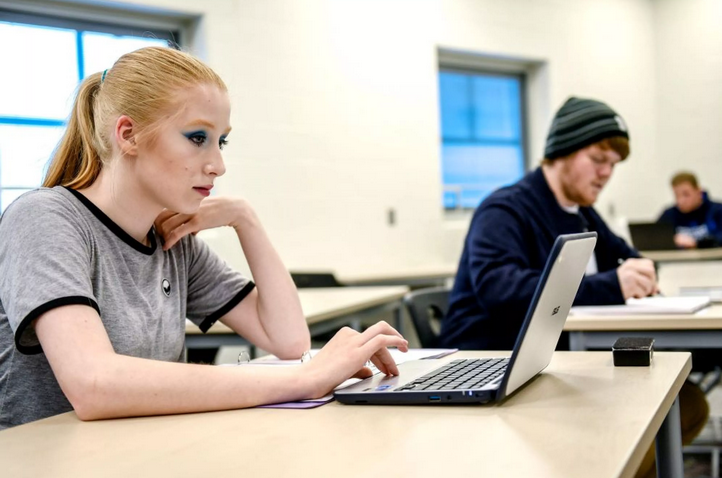
Estudiar un semestre en una universidad extranjera ha sido su gran sueño en estos últimos 3 años.
Curiosamente, cuando hace un par de meses llegó el momento de la verdad, empecé a ver una realidad distinta. Lo único que tenían que hacer estos nativos digitales era subir los programas de estudio que quieren cursar a una plataforma informática; es decir, tenían que guardar un archivo en una página web.
Pensé que sería un proceso fácil dado su interés y su edad. Se los expliqué con unos meses de antelación y no hubo dudas ni preguntas. Sin embargo, unos meses después, solo una alumna había subido los programas. Otros alumnos me los habían mandado por correo electrónico. Les respondí que el proceso oficial exigía subirlos a la página web.
Escucha nuestros podcast aquí
Lo último
- ¿El SAT vigila las transferencias bancarias? Cuidado con el concepto que das a estas operaciones
- Hoy No Circula 1 de octubre 2025: qué autos deben quedarse en casa este miércoles en CDMX y Edomex
- La Ciclovía Gran Tenochtitlán sortea obstáculos y avanza rumbo al Mundial 2026
Meses después seguía sin haber programas de estudios en la página. Me empecé a preocupar. ¿Habría algún error informático? ¿Estaría mal el sitio web?
Compartí esta preocupación con algunos colaboradores y empezamos a hacer pruebas. Todo funcionaba a la perfección.
Pasaron los meses y seguía sin haber actividad por parte de los alumnos. La página web continuaba vacía. Yo estaba cada vez más preocupada por su inexplicable falta de interés. Si seguían así, no iban a poder irse fuera por no aportar la documentación necesaria en los plazos requeridos.
Preocupada, le pregunté otra vez a la alumna que sí había subido los documentos ¿Qué había pasado? Su respuesta me dejó sin palabras. Seguían teniendo interés. El problema era otro: no sabían cómo usar la página web.
Estos nativos digitales, incapaces de pasar un par de horas sin sus smartphones, entraban en la página y se sentían asustados. Aunque la página es muy intuitiva, ellos se perdían y abandonaban.
How did you begin to volunteer?
I can´t remember as I have volunteered since a very young age. When I was in secondary school, I remember setting up and organizing an initiative to collect toys to then fix, clean and deliver to disadvantaged children. Around tis time, I also volunteered to conduct the small orchestra in my school. I guess these are some of my early experiences volunteering and organizing a group of volunteers.
Why did you continue volunteering?
It is very rewarding and fun. Groups of volunteers always share this enthusiasm, sense of purpuse and joy (you vonlunteer for fun, not for money!!) Volunteering gives you the chance to spot an opportunity to give back to the community and act on it immediately.
How has volunteering helped you in your career?
When you volunteer, you can try new skills that are not yet so refined. You would not be able to use them in a paid environment as your employer would likely request that you are an expert. However, if you volunteer, you ca be very open about your limited experience and the fact that you would like to improve your skills. Most often than not, people will be glad to have your contributions and help you develop your expertise.
I developed my project management skills by setting up initiatives like the one mentioned above (providing toys for disadvantaged kids),, setting up and organizing my school orchestra
When I started my coaching career, I used to volunteer for an organization helping unemployed people pivot their careers and find new jobs. I practiced tea and group coaching there and became very comfortable coaching big heterogeneous groups.
I did voluntary work for the United Nations, which helped me expand my network inside the organization which then led to other work opportunities.
Would you encourage other people to take up volunteering, and if so, why?
Yes, definitely! by all means! either join an organization of your likiing or set up your own initiative with some like minded people. It will help you make new friends and acquaintances, you can try new skills whilst giving back and making an impact in your community.
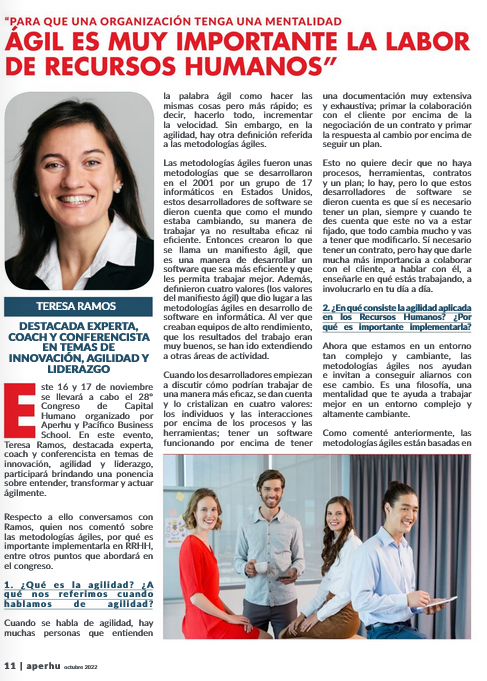
«PARA QUE UNA ORGANIZACIÓN TENGA UNA MENTALIDAD ÁGIL ES MUY IMPORTANTE LA LABOR DE RECURSOS HUMANOS«
TERESA RAMOS
DESTACADA EXPERTA, COACH Y CONFERENCISTA EN TEMAS DE INNOVACIÓN, AGILIDAD Y LIDERAZGO
Este 16 y 17 de noviembre se llevará a cabo el 26º Congreso de Capital Humano organizado por Aperhu y Pacifico Business School. En este evento, Teresa Ramos, destacada experta, coach y conferencista en temas de innovación, agilidad y liderazgo, participará brindando una ponencia sobre entender, transformar y actuar ágilmente.
Respecto a ello conversamos con Ramos, quien nos comentó sobre las metodologías ágiles, por qué es importante implementarla en RR.HH, entre otros puntos que abordará en el congreso.
1. ¿Qué es la agilidad? ¿A qué nos referimos cuando hablamos de agilidad?
Cuando se habla de agilidad, hay muchas personas que entienden la palabra ágil como hacer las mismas cosas pero más rápido; es decir, hacerlo todo increíblemente a velocidad. Sin embargo, en la agilidad, hay otra definición referida a las metodologías ágiles.
Las metodologías ágiles fueron unas metodologías que se desarrollaron en el 2001 por un grupo de 17 informáticos en Estados Unidos, estos desarrolladores de software se dieron cuenta que como el mundo estaba cambiando, su manera de trabajar ya no resultaba eficaz ni eficiente. Entonces crearon lo que se llama un manifiesto ágil, que es una manera de desarrollar un software que sea más eficiente y que les permita trabajar mejor. Además, definieron cuatro valores (los valores del manifiesto ágil) que dio lugar a las metodologías ágiles de desarrollo de software en informática. Al ver que creaban equipos de alto rendimiento, que los resultados del trabajo eran muy buenos, se han ido extendiendo a otras áreas de actividad.
Cuando los desarrolladores empiezan a discutir cómo podrían trabajar de una manera más eficaz, se dan cuenta y lo cristalizan en cuatro valores: los individuos y las interacciones por encima de los procesos y las herramientas; tener un software funcionando por encima de tener una documentación muy extensiva y exhaustiva; primar la colaboración con el cliente por encima de la negociación de un contrato y primar la respuesta al cambio por encima de seguir un plan.
Esto no quiere decir que no haya procesos, herramientas, contratos y un plan; lo hay, pero lo que estos desarrolladores de software se dieron cuenta es que sí es necesario tener un plan, siempre y cuando te des cuenta que este no va a estar fijado, que todo cambia mucho y vas a tener que modificarlo. Sí necesito tener un contrato, pero hay que darle mucha más importancia a colaborar con tu cliente, a hablar con él, a enseñarle en qué estás trabajando, a involucrarlo en tu día a día.
2. ¿En qué consiste la agilidad aplicada en los Recursos Humanos? ¿Por qué es importante implementarla?
Ahora que estamos en un entorno tan complejo y cambiante, las metodologías ágiles nos ayudan e invitan a conseguir aliarnos con ese cambio. Es una filosofía, una mentalidad que te ayuda a trabajar mejor en un entorno complejo y altamente cambiante.